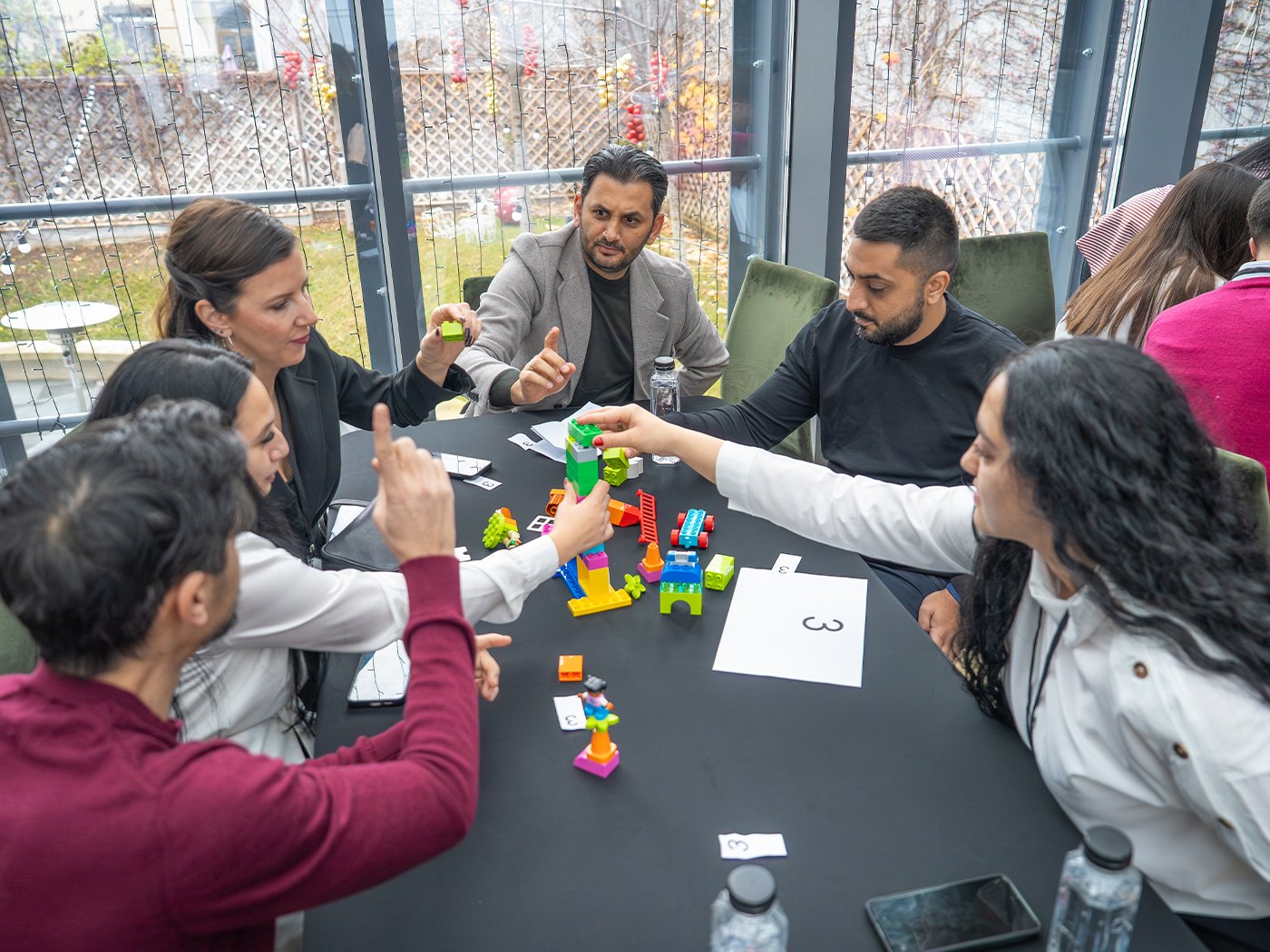
In a world shaped by war and power, Roma are not among Europe's political priorities. World Roma Day is a reminder that our future depends on what we build together.
The world is being reshaped by war. Ukraine has become the centre of Europe’s security priorities. Gaza is numbing our sense of human suffering and increasing the tolerance for mass killing. The war with Iran is shaking energy markets and reshaping military alliances.
What does this mean on World Roma Day?
In this environment, political attention follows urgency, risk and power. The political agenda is driven by immediate consequences and hard decisions. We are not at the centre of it. This should not be a reason for disappointment or regret. It’s a moment of clarity.
This is exactly why 8 April matters. In 1971, when Roma leaders came together in London, they made a decision that was ahead of its time. They declared a flag, an anthem, a language and a political identity. Without waiting for recognition, they defined us as a people and as a nation in the making.
They acted in the middle of the Cold War, in a world shaped by deep geopolitical tensions. They did not wait for attention or legitimacy. They created it through a shared vision. That is the legacy they passed on to us.
Since then, Roma communities and organisations have learned how to navigate institutions, how to build programmes, how to secure funding and how to speak the language of policy. These efforts have mattered. They have opened doors and created opportunities that those in 1971 could hardly have imagined.
But the wider political environment has changed. Europe’s priorities are becoming more transactional, more interest-driven and more focused on security and stability. Human rights and social inclusion remain part of the political language, but they carry too little weight in decision-making. This does not erase what has been achieved. But it changes the conditions under which we move forward.
This is where the idea of self-reliance becomes important. Self-reliance is about collective organisation. It’s about the ability to align across countries, communities and differences—to act with a shared direction even when we are not in the same place. It does not mean isolation, and it does not remove the need for partners.
This brings us to a more difficult but necessary reflection.
There are thousands of Roma-led initiatives, organisations and local successes. Many of them are powerful. Many of them change lives in meaningful ways. But too often, they remain limited to their immediate contexts. They don’t connect with each other. They don’t become part of something larger that endures.
The challenge isn’t a lack of work or commitment. It’s whether what we build can add up to something greater than our individual efforts. We don’t need to do everything together. But we cannot afford to keep organising and building everything separately.
We already have many of the foundations. Talent and accomplishments. Networks and experience. Communities that have shown strength across generations. The question is whether we can connect these elements in a way that creates continuity, scale and long-term structure.
World Roma Day isn’t only a celebration of identity. It’s a moment to reflect on what we are building. Not only how we are seen, heard or invited by otherpeoples, but what we are creating together within our community. What will last. What will grow. What will matter in the years to come. Because in a world shaped by power and immediate interests, space is rarely given. It is created by those who organise, connect and build in ways that scale up and endure.
On 8 April, we recognise ourselves in what we are building together—not as seen by others, but on our own terms.
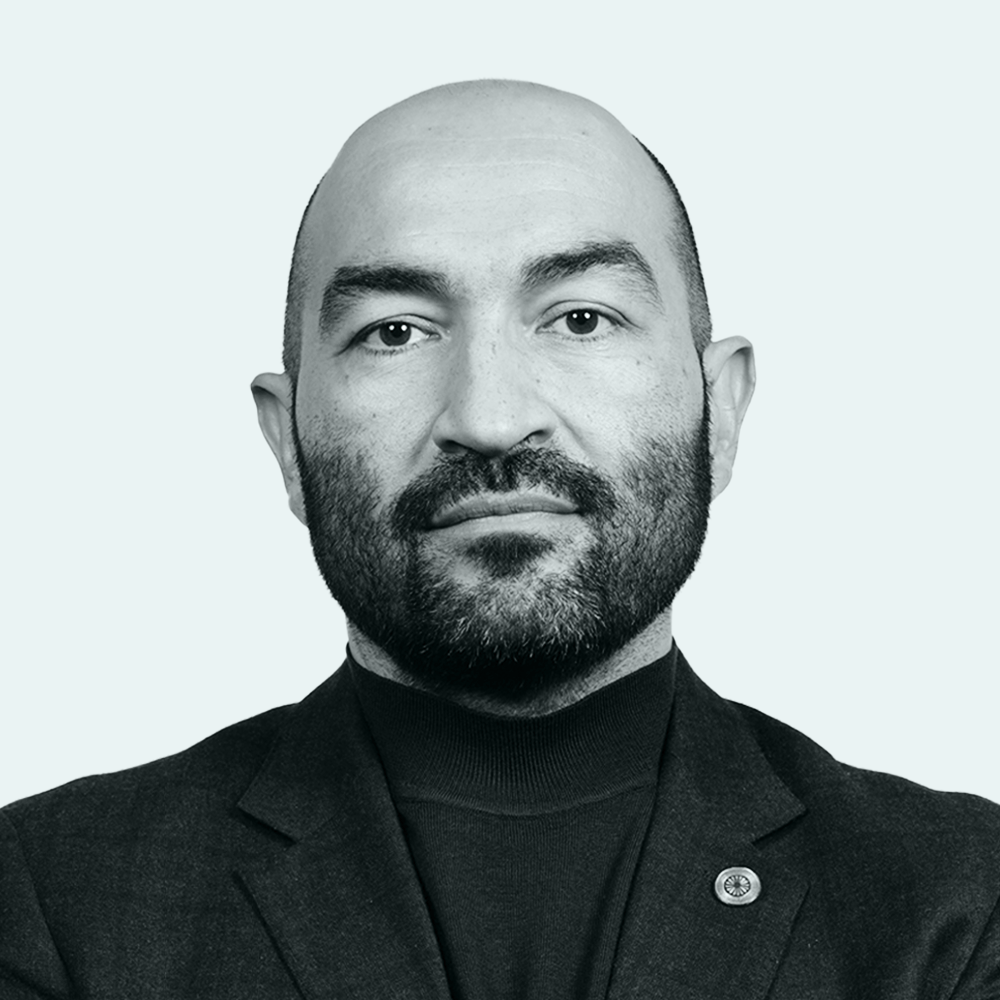
Zeljko Jovanovic
President
The latest
The Conditional Belonging of Bulgaria’s Roma
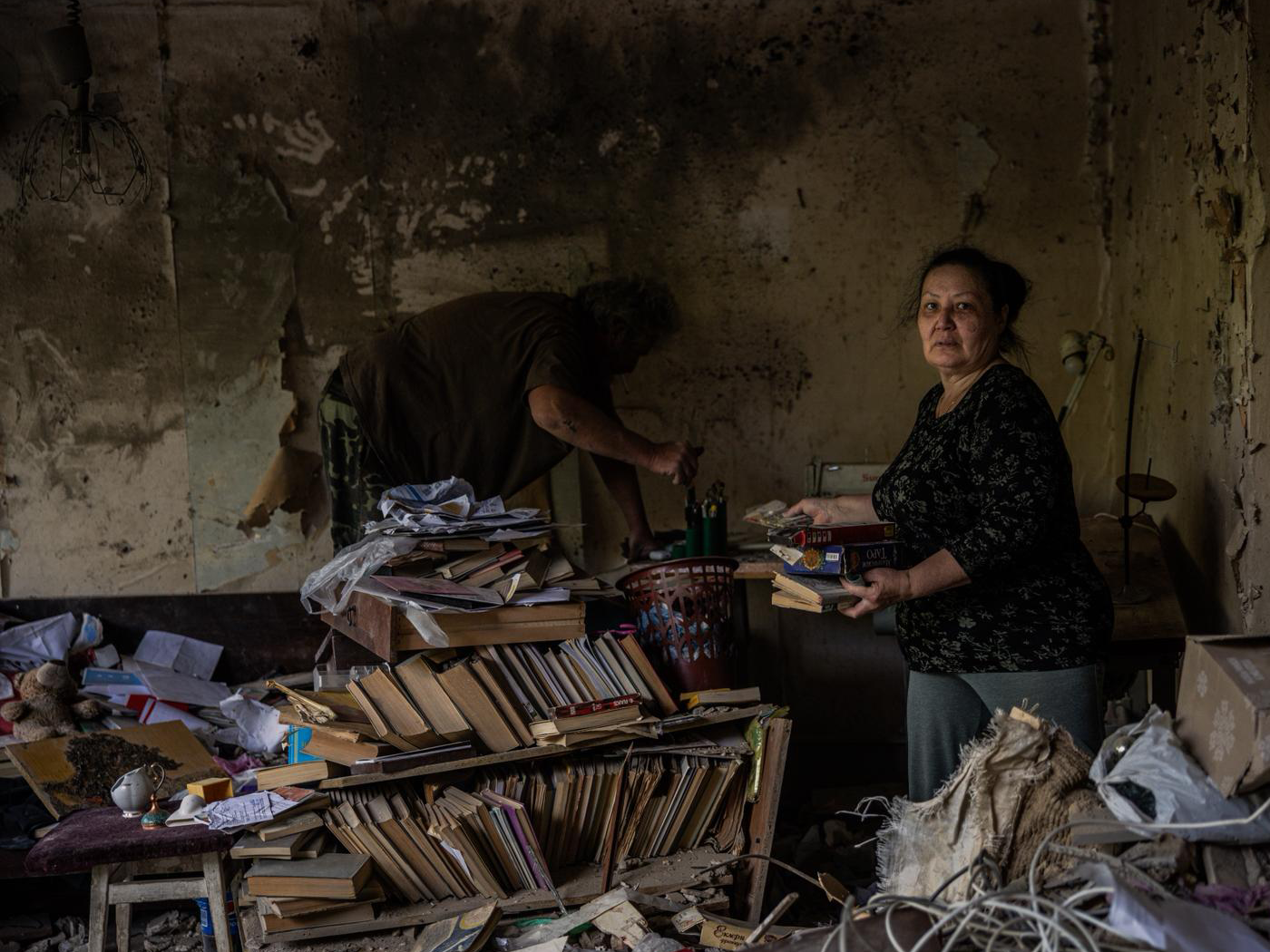
Unregistered, Uncompensated, Unbroken

EU Budget Tracking Rules Name Roma but Still Cannot Say Whether Their Lives Improve, Roma Foundation for Europe says
Browse by category
Campaigns
Events
Facts
Press
Voices
For media inquiries:
[email protected]Sign up here so you don’t miss out on campaign updates, upcoming events and other news from the Roma Foundation for Europe and our network.
Sign up for our newsletter